
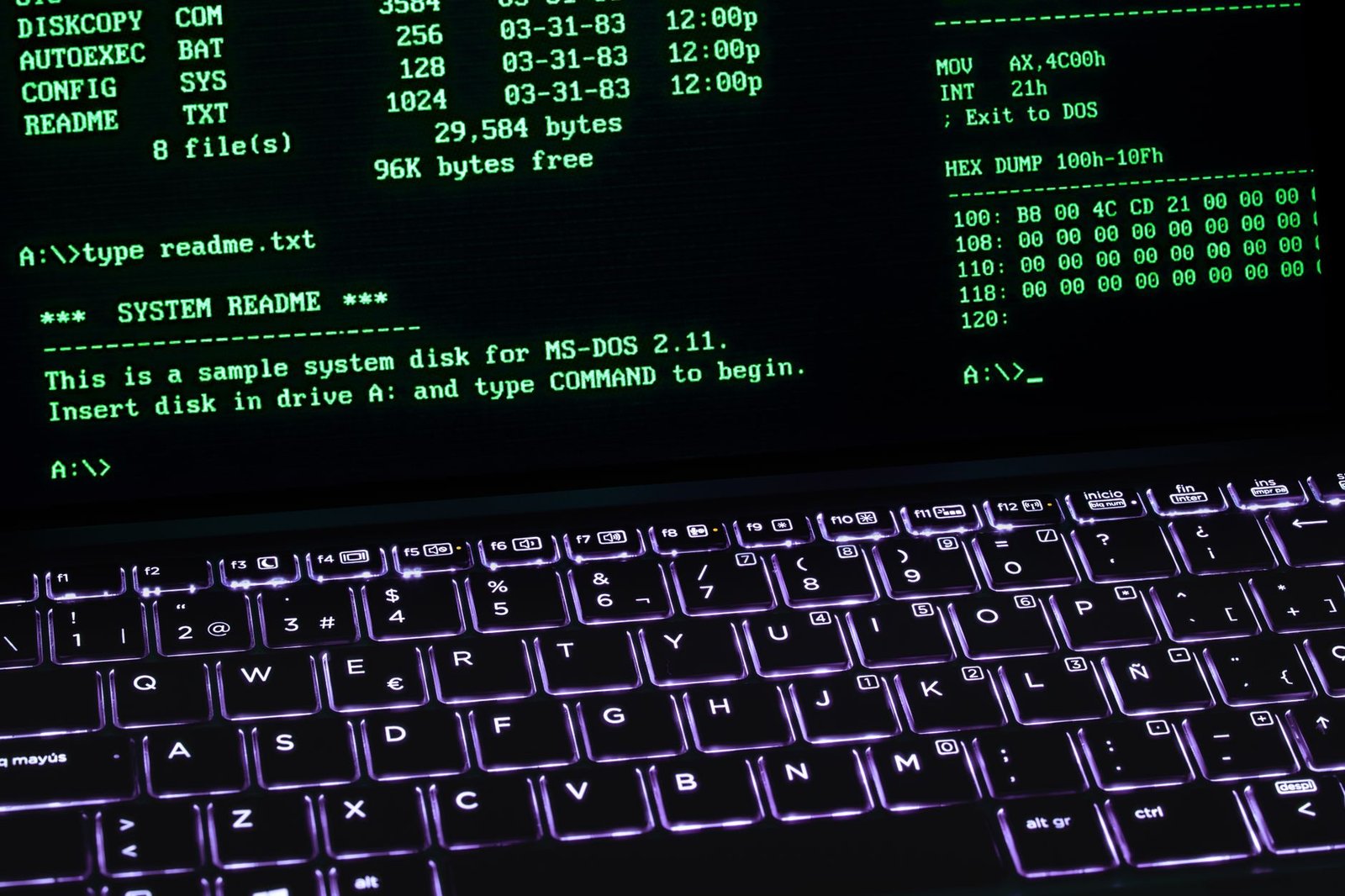
Looking for the best lightweight Linux distros to revive your aging laptop? This 2026 guide covers top contenders designed to run smoothly on older hardware, offering improved performance and usability without demanding high specifications.
We’ll explore distributions optimized for speed, minimal resource usage, and ease of installation, ensuring you can find a perfect fit to extend the life of your trusty machine. Whether you’re a seasoned Linux user or new to the ecosystem, these distros offer a fantastic way to upgrade your old laptop’s capabilities.
Key Takeaways
- Explore top lightweight Linux distros in 2026 for rejuvenating older laptops.
- Discover distributions optimized for low resource usage and enhanced performance.
- Find user-friendly options suitable for both beginners and experienced Linux users.
- Learn how to choose the best distro based on your specific hardware and needs.
- Extend the life of your old laptop with a modern, efficient operating system.
What Makes a Linux Distro ‘Lightweight’?
When we talk about lightweight Linux distros, we’re essentially referring to operating systems designed to run efficiently on hardware with limited resources. This primarily means low consumption of RAM, CPU cycles, and disk space. A distro that boots quickly and remains responsive during everyday tasks without hogging your system’s power is a prime candidate for breathing new life into older machines.
The core of a lightweight distro’s performance often lies in its choice of desktop environment and the applications bundled with it. Desktop environments like LXQt, XFCE, and MATE are known for their leaner resource footprint compared to heavier options like GNOME or KDE Plasma. These environments prioritize functionality and speed over flashy graphical effects, making them ideal for older hardware.
Resource Consumption Breakdown
The impact of these choices can be significant. Consider these typical resource requirements:
- LXQt: Often requires as little as 128MB of RAM to boot and run basic applications.
- XFCE: Generally uses around 256MB of RAM, offering a good balance of features and performance.
- MATE: Typically hovers around 512MB of RAM for a smooth experience.
- GNOME/KDE Plasma: Can easily consume 1GB of RAM or more just for the desktop environment itself.
- Storage: Lightweight distros can often be installed in under 10GB, while feature-rich ones might need 20GB or more.
Beyond the desktop environment, the selection of pre-installed applications plays a crucial role. Distros that include a minimal set of essential tools, rather than a full office suite, media player, and complex system utilities, will naturally be lighter. This minimal approach allows users to install only what they need, preventing unnecessary bloat and ensuring a snappier experience. Understanding your hardware’s capabilities and choosing a Linux distro that aligns with it is key to unlocking its full potential on older systems.
Top Lightweight Linux Distros for Old Laptops in 2026
Revitalizing aging hardware doesn’t require a hefty investment. For 2026, several lightweight Linux distros stand out, offering speed, responsiveness, and essential functionality on machines that might struggle with modern Windows or macOS. These distributions are specifically engineered to minimize resource usage, making them perfect candidates for breathing new life into your old laptops.

We’ll explore some of the leading options, focusing on their unique strengths and how they cater to different user needs, from basic web browsing to more demanding tasks. Finding the right lightweight Linux distro can dramatically extend the usability of your hardware.
Key Lightweight Contenders
When selecting a distro, consider its desktop environment, package availability, and community support. Here are some top picks:
- Lubuntu: Based on Ubuntu, Lubuntu offers a familiar environment with the LXQt desktop. It’s known for its ease of use and access to a vast software repository. Ideal for users migrating from Windows who need a stable, low-resource system.
- Puppy Linux: Famous for its ability to run entirely from RAM, Puppy Linux boasts incredibly fast boot times and can even run from a USB drive with persistence. Its unique system architecture makes it exceptionally adaptable.
- Bodhi Linux: Featuring the Moksha Desktop (a fork of Enlightenment E17), Bodhi Linux is highly customizable and visually appealing while remaining lightweight. It’s a great choice for users who love to tinker and personalize their OS.
- MX Linux: Striking an excellent balance between ease of use, stability, and performance, MX Linux uses Xfce by default and includes many helpful MX Tools. It’s a robust option for everyday computing.
- antiX Linux: A systemd-free option, antiX is designed for speed and low resource consumption, making it suitable for very old hardware.
- SliTaz GNU/Linux: One of the smallest distros available, SliTaz can run on systems with as little as 64MB of RAM.
| Distro | Desktop Environment | Base | Target Hardware (RAM) | Ease of Use |
|---|---|---|---|---|
| Lubuntu | LXQt | Ubuntu | 512MB+ | Medium |
| Puppy Linux | JWM/Openbox | Independent | 256MB+ | Medium |
| Bodhi Linux | Moksha | Ubuntu LTS | 512MB+ | Medium-High |
| MX Linux | Xfce | Debian | 512MB+ | High |
| antiX Linux | IceWM/Fluxbox | Debian (Stable) | 256MB+ | Medium |
| SliTaz | Openbox | Independent | 64MB+ | Medium-Low |
Lubuntu: The User-Friendly Lightweight Champion
Lubuntu stands out as a premier choice for users seeking a lightweight Linux distro that doesn’t compromise on usability. At its core is the LXQt desktop environment, a significant upgrade from its predecessor LXDE. LXQt is built with Qt technology, offering a modern, clean, and efficient graphical interface that consumes minimal system resources. It provides essential desktop features without the bloat often found in heavier desktop environments, making it an excellent fit for reviving older machines.
The installation process for Lubuntu is remarkably straightforward, even for those new to Linux. The installer guides users step-by-step, allowing for easy partitioning and system setup. Once installed, the LXQt desktop is intuitive and familiar to users coming from other operating systems, featuring a taskbar, start menu, and system tray. This ease of adoption significantly lowers the barrier to entry for Linux newcomers wanting to explore lightweight Linux distros.
Performance and Software
On hardware dating back to the early 2010s, Lubuntu consistently delivers snappy performance. Boot times are typically under 30 seconds, and opening applications like the Feather lightweight text editor or the Falkon web browser feels responsive. It effectively utilizes minimal RAM, often staying below 300MB at idle. Lubuntu benefits from Ubuntu’s vast software repositories, meaning users have access to thousands of applications managed through the user-friendly Discover software center or the APT package manager.
For optimal performance on very old machines (pre-2012), consider disabling desktop visual effects within LXQt’s appearance settings. Even minor tweaks can free up precious CPU cycles and RAM for your core applications.
Beyond the core desktop, Lubuntu boasts strong community support through forums and extensive documentation, ensuring help is readily available. This combination of performance, ease of use, and robust support solidifies Lubuntu’s position as a top contender for revitalizing aging hardware in 2026.
Puppy Linux: The Tiny Powerhouse for Extreme Low Resources
When we talk about truly minimal operating systems, Puppy Linux stands out as a remarkable contender. Its design philosophy centers around extreme efficiency, making it an ideal choice for breathing new life into hardware that might be considered obsolete by modern standards. Many users find Puppy Linux to be the go-to lightweight Linux distro for exceptionally old machines.
A key differentiator for Puppy is its unique approach to installation and operation. Most Puppy versions utilize a ‘frugal’ installation method, which places the core system files in a single directory rather than traditional partitioning. More impressively, Puppy is designed to run entirely from RAM. This means once booted, the operating system loads itself into your computer’s memory, allowing the CD/DVD drive or USB stick to be freed up for other uses. This in-RAM operation contributes to its blazing-fast performance, making applications feel highly responsive even on systems with minimal processing power and RAM – think machines with as little as 256MB of RAM.
Customization and Package Management
Puppy Linux offers a surprisingly deep level of customization for such a small OS. Its unique package management system, often referred to as ‘Puppy Package Manager’ (PPM), allows users to easily install applications. While it supports some Debian and Ubuntu repositories, it also has its own repositories with software specifically compiled for Puppy. This makes it versatile, though finding the absolute latest bleeding-edge software might sometimes be a challenge compared to larger distributions. For specific tasks like basic web browsing, document editing, or reviving an old machine for a child’s first computer, Puppy is exceptionally well-suited.
However, this focus on minimalism does come with trade-offs. The unique package system, while efficient, can present a learning curve for users accustomed to Debian’s `apt` or Fedora’s `dnf`. Furthermore, while Puppy excels at basic computing tasks, running demanding modern applications or extensive multitasking might push its limits, even with its RAM-based operation. Its graphical interfaces, while functional and customizable, might not appeal to those seeking the slick aesthetics of contemporary desktop environments found in distributions like Ubuntu or Fedora Workstation in 2026.
Bodhi Linux: Elegance and Flexibility on Minimal Resources
Bodhi Linux stands out with its unique Moksha Desktop Environment, a continuation and evolution of the Enlightenment 17 codebase. Moksha is designed to be exceptionally lightweight and highly customizable, offering a visually appealing yet resource-efficient experience. Its origins in Enlightenment mean it’s built from the ground up with performance in mind, eschewing the heavier components often found in mainstream desktop environments. This focus allows Bodhi Linux to perform admirably even on hardware from the early 2010s or older, breathing new life into forgotten machines.
The philosophy behind Bodhi Linux is one of minimalism and user empowerment. Unlike distributions that try to include everything out of the box, Bodhi provides a clean base system, allowing users to install only the software they need. This approach drastically reduces the system’s footprint and memory usage. While the base install is sparse, the community offers numerous themes, extensions, and applications to tailor the system to your exact preferences, making it a truly personal computing experience. This commitment to user choice is a hallmark of many great lightweight Linux distros.
Performance and Installation
In terms of performance, Bodhi Linux is remarkably light. A typical installation can idle with as little as 128MB of RAM, making it suitable for systems with 1GB or even less. The Moksha Desktop itself is highly responsive, with quick application loading times even on slower storage devices. The installation process is straightforward, guided by an installer that is both intuitive and efficient. System requirements are minimal: a Pentium 4 processor or equivalent, 256MB RAM (512MB recommended for a smoother experience), and 10GB of disk space are usually sufficient for the base OS and a few applications.
Bodhi Linux is an ideal choice for:
- Reviving very old laptops with limited RAM and processing power.
- Users who prefer a minimalist desktop and want to build their system piece by piece.
- Those seeking a highly customizable and visually distinct Linux experience without sacrificing performance.
- Running Linux in a virtual machine where resources are constrained.
For those seeking an elegant, fast, and adaptable operating system for aging hardware, Bodhi Linux offers a compelling and powerful solution, proving that minimal resources don’t necessitate a compromise on usability or aesthetics.
MX Linux: The Stable, High-Performance Lightweight Contender
MX Linux has carved out a significant niche as a remarkably stable and performant lightweight Linux distro. It masterfully blends a user-friendly experience with a robust set of advanced tools, making it an attractive option for revitalizing older hardware. The default XFCE desktop environment is both visually appealing and resource-efficient, offering a familiar interface that’s easy to navigate for newcomers.
This distribution doesn’t skimp on features despite its lightweight nature. It provides a comprehensive suite of applications out-of-the-box, alongside MX Tools, a collection of custom utilities designed to simplify system management and configuration. Balancing these capabilities with low resource usage is where MX Linux truly shines, ensuring smooth operation even on laptops with limited RAM and slower processors.
MX Linux System Requirements and Performance
One of the primary draws of MX Linux is its modest system requirements, making it an ideal candidate for our 2026 guide on breathing new life into old laptops. While the latest versions recommend at least 2GB of RAM, it remains surprisingly functional on systems with as little as 1GB, especially the 32-bit variants. This makes it a viable choice for machines dating back to the late 2000s or early 2010s.
Compared to more resource-intensive operating systems, MX Linux offers a palpable performance boost. Boot times are significantly reduced, application responsiveness is enhanced, and multitasking becomes far more manageable. For users migrating from Windows or macOS, the learning curve is relatively gentle, thanks to its intuitive desktop and readily available support resources.
MX Linux vs. Other Lightweight Distros
| Feature | MX Linux (XFCE) | Ubuntu MATE (2026) | Puppy Linux (2026) |
|---|---|---|---|
| Base | Debian Stable | Debian/Ubuntu | Independent/Debian |
| Default Desktop | XFCE | MATE | JWM/Openbox |
| RAM Minimum (Recommended) | 1GB (2GB) | 2GB (4GB) | 256MB (512MB) |
| Disk Space Minimum | 10GB | 15GB | 500MB |
| Ease of Use | High | High | Medium |
| Included Tools | Extensive (MX Tools) | Standard | Minimal |
The popularity of MX Linux for everyday use on older laptops stems from this excellent equilibrium. Its stability, derived from its Debian base, ensures reliability, while the XFCE desktop provides a pleasant user experience without hogging system resources. Key advantages include:
- Excellent hardware compatibility, even with older components.
- A vast repository of software readily available.
- A strong, supportive community for troubleshooting.
- Regular updates and a commitment to long-term support.
- A clean, uncluttered desktop that’s easy to customize.
- Pre-installed essential applications like Firefox, LibreOffice, and VLC.
Ultimately, MX Linux offers a compelling package for anyone seeking a performant, feature-rich, and stable lightweight Linux distro for their aging hardware in 2026.
Comparing Lightweight Linux Distros: Specs and Performance
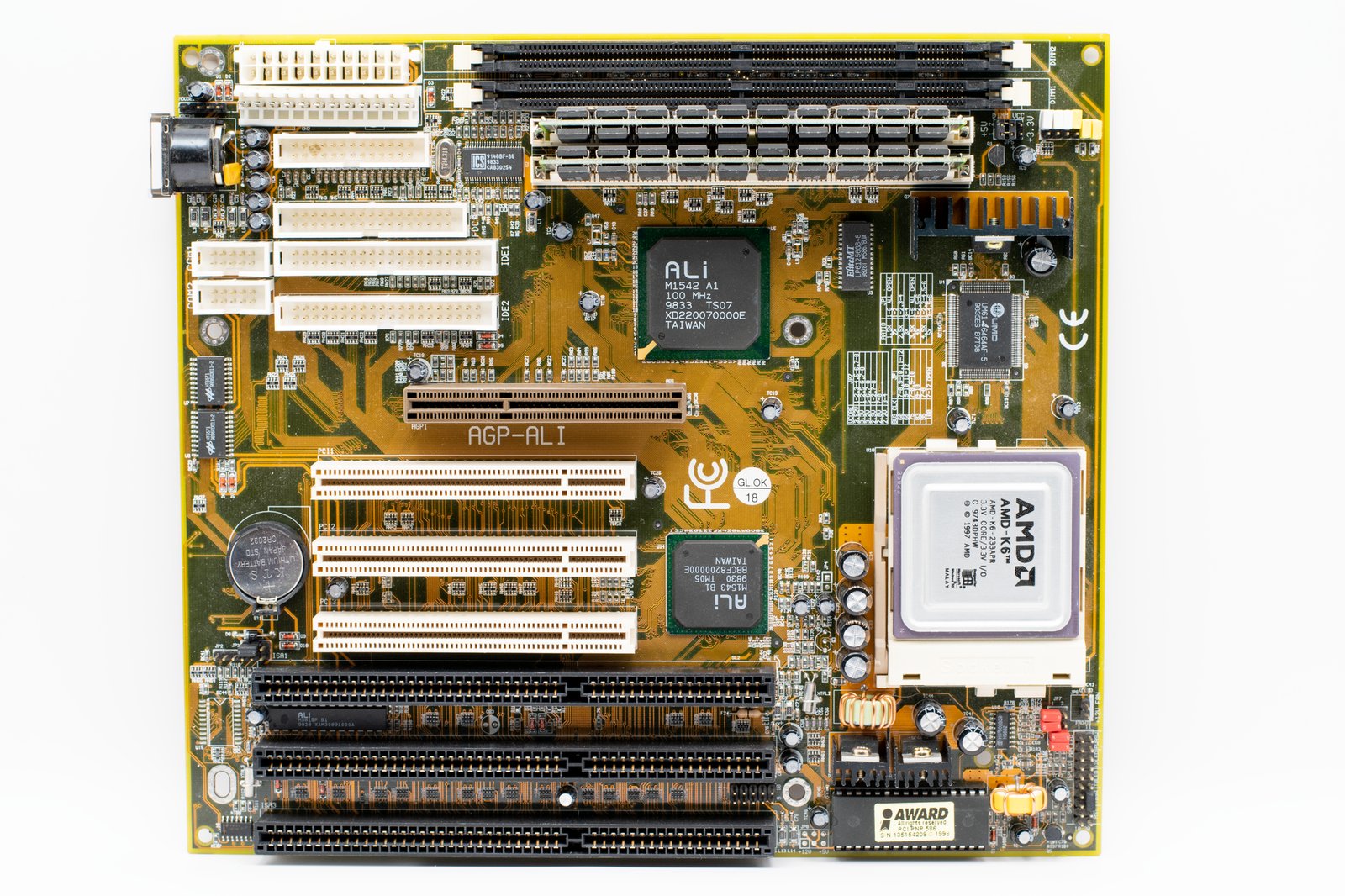
Choosing the right lightweight Linux distro for your aging hardware involves scrutinizing more than just the feature list. Key performance metrics like RAM usage, CPU utilization, and boot times provide a clearer picture of how these distributions will perform on your specific machine. Understanding these benchmarks helps you make an informed decision to revive your old laptop.
Performance Benchmarks
We’ve compiled typical resource usage for popular lightweight Linux distros as of early 2026. These figures represent a baseline with a desktop environment and a few background services running. Actual usage will vary depending on the chosen desktop environment and installed applications.
| Distro (Version) | Idle RAM Usage | Idle CPU Usage | Disk Space (Base Install) |
|---|---|---|---|
| Puppy Linux (9.5) | ~150-200 MB | 1-3% | ~500 MB |
| Lubuntu (24.04 LTS) | ~400-500 MB | 2-5% | ~15 GB |
| antiX (23.1) | ~250-350 MB | 1-4% | ~1 GB |
| MX Linux (23.1, XFCE) | ~450-600 MB | 3-6% | ~10 GB |
Boot times can differ significantly based on your hardware’s age and storage type (HDD vs. SSD). Older machines with HDDs might see boot times ranging from 45 seconds to over two minutes, while SSDs can bring this down to under 30 seconds for most lightweight distros. Disk space requirements are generally minimal, with many options fitting comfortably within a few gigabytes, allowing older systems with smaller drives to accommodate them easily.
Factors Affecting Responsiveness
Beyond raw specs, the choice of desktop environment plays a crucial role in overall system responsiveness. Distributions using lighter window managers like Openbox (antiX, Puppy Linux) tend to feel snappier than those with more feature-rich but resource-heavier environments like LXQt (Lubuntu) or XFCE (MX Linux). When selecting a lightweight Linux distro, consider not only the base system but also the default graphical interface and its impact on your specific hardware capabilities.
Choosing the Right Lightweight Linux Distro for You
Selecting the ideal lightweight Linux distro for your aging hardware involves a thoughtful process. Begin by accurately assessing your old laptop’s specifications. Pay close attention to the available RAM (e.g., 1GB, 2GB, 4GB), the CPU model and speed, and the remaining storage space. These hardware limitations will significantly narrow down your options and guide you towards distros that won’t struggle.
Next, define your primary use cases for the resurrected laptop. Are you planning simple web browsing and email, or do you need to run office applications like LibreOffice? Perhaps you intend to use it as a dedicated media player. Understanding these needs will help you prioritize features like application availability and desktop environment performance. For instance, a distro optimized for basic productivity might not be the best choice for multimedia playback.
Matching Distro to Your Needs and Experience
Consider your own familiarity with Linux. If you’re new to the ecosystem, a beginner-friendly option like Lubuntu 24.04 LTS or Linux Mint XFCE will offer a familiar desktop experience and extensive community support. For users comfortable with more customization, distros like Puppy Linux or Tiny Core Linux offer extreme minimalism but require a steeper learning curve. Your desired user experience, whether it’s a traditional desktop or a more spartan command-line interface, is a crucial factor.
Expert Tip: Always test a distro using a Live USB before committing to installation. This allows you to experience the desktop environment, test hardware compatibility (Wi-Fi, sound, graphics), and get a feel for performance without altering your existing system. It’s the best way to avoid post-installation frustration.
Based on these factors, we offer a few recommendations. For basic web browsing and email on systems with 1GB RAM, consider Bodhi Linux (using the Moksha desktop) or the aforementioned Puppy Linux. If you have 2GB+ RAM and need to run office applications or more demanding web browsing, Lubuntu LTS or Linux Mint XFCE are excellent, well-supported choices. For a balance of performance and features, these lightweight Linux distros provide a fantastic second life for older hardware in 2026.
Frequently Asked Questions
Will a lightweight Linux distro actually make my old laptop faster?
Yes, significantly. Lightweight Linux distros are specifically designed to use fewer system resources (RAM and CPU) compared to modern Windows or macOS. By minimizing background processes and using less demanding desktop environments, they can dramatically improve the speed and responsiveness of older hardware, making everyday tasks feel much smoother.
Are lightweight Linux distros difficult to install?
Most lightweight Linux distros offer very straightforward installation processes, often comparable to installing Windows. Many even provide a ‘Live’ version that you can run directly from a USB drive without installing, allowing you to test the system before committing. Documentation and community support are usually readily available to guide you.
What are the minimum hardware requirements for a lightweight Linux distro?
Requirements vary, but many lightweight distros can run on systems with as little as 512MB to 1GB of RAM and a processor from the early 2000s. Some, like Puppy Linux, are optimized for even lower specifications. Always check the specific requirements for the distro you are interested in, but generally, very old computers are well-supported.
Can I use a lightweight Linux distro for everyday tasks like web browsing and email?
Absolutely. Lightweight Linux distros are perfectly capable of handling everyday tasks. They come with or can easily install web browsers, email clients, and office productivity suites. While they might not run the most demanding AAA games or high-end video editing software, they excel at general computing and bring older hardware back into productive use.
Is there a learning curve for using lightweight Linux?
The learning curve depends on your previous operating system experience. If you’re coming from Windows or macOS, there will be some differences, particularly in file management and software installation. However, many lightweight distros aim for user-friendliness. Distributions like Lubuntu are particularly good for beginners, offering a familiar desktop experience.
Which lightweight Linux distro is best for a complete beginner with an old laptop?
For a complete beginner, Lubuntu is often the top recommendation. It uses the LXQt desktop environment, which is intuitive and similar in layout to traditional desktop operating systems. The installation is simple, and it offers a good balance of performance and usability, making it easy to transition to Linux on older hardware without feeling overwhelmed.
Final Thoughts
Revitalizing an old laptop with a lightweight Linux distribution in 2026 is more achievable and rewarding than ever. Distributions like Lubuntu, Puppy Linux, Bodhi Linux, and MX Linux offer excellent performance, minimal resource demands, and a user-friendly experience, proving that powerful computing doesn’t always require the latest hardware.
By carefully considering your hardware limitations and intended use, you can select a distro that not only runs smoothly but also enhances your productivity and enjoyment. Don’t let an aging machine gather dust; give it a new lease on life with the power and flexibility of Linux.
Ready to get started? Download a Live USB image of your chosen lightweight Linux distro today and experience the transformation firsthand!