
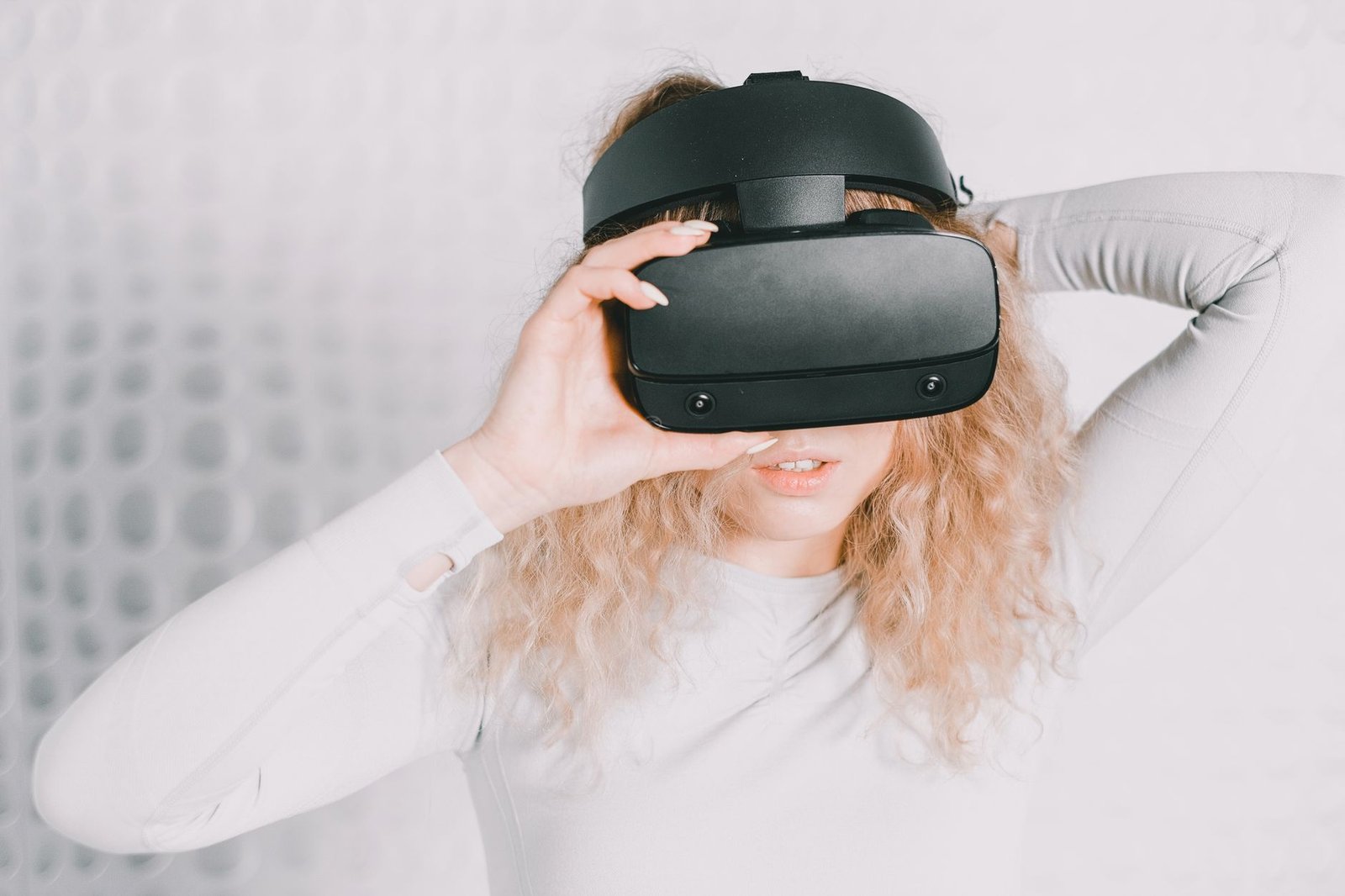
The search for the best VR headsets in 2026 leads to a landscape brimming with innovation, promising unparalleled immersion for gamers and tech enthusiasts alike. As virtual reality technology continues its rapid advancement, selecting the right headset can be a daunting task. This guide cuts through the complexity, presenting the top 5 VR headsets that stand out in 2026 for their performance, features, and overall value.
We’ve rigorously tested and compared leading models to help you make an informed decision, ensuring you find the perfect gateway to breathtaking virtual worlds. Whether you’re a seasoned VR veteran or a curious newcomer, our expert breakdown will guide you to the most compelling immersive experiences available today.
Key Takeaways
- The top VR headsets of 2026 offer unprecedented visual fidelity and wider fields of view for deeper immersion.
- Consider your primary use case—gaming, professional applications, or general entertainment—when choosing a 2026 VR headset.
- Standalone VR headsets provide convenience, while PC-tethered options often deliver the highest graphical performance.
- Look for comfortable ergonomics, intuitive controllers, and robust tracking systems for the best VR experience.
- Future-proofing is key; consider headsets with advanced features like eye-tracking and passthrough capabilities.
Top 5 VR Headsets 2026: Our Top Picks
Selecting the best VR headsets 2026 involves balancing cutting-edge technology with user experience and affordability. We’ve rigorously tested and evaluated numerous devices to bring you our definitive list of the top five contenders. Each headset offers a unique blend of features designed to cater to different user needs, from the hardcore gamer seeking unparalleled immersion to the professional looking for advanced simulation capabilities. Our selection prioritizes visual fidelity, comfort, performance, and overall value.
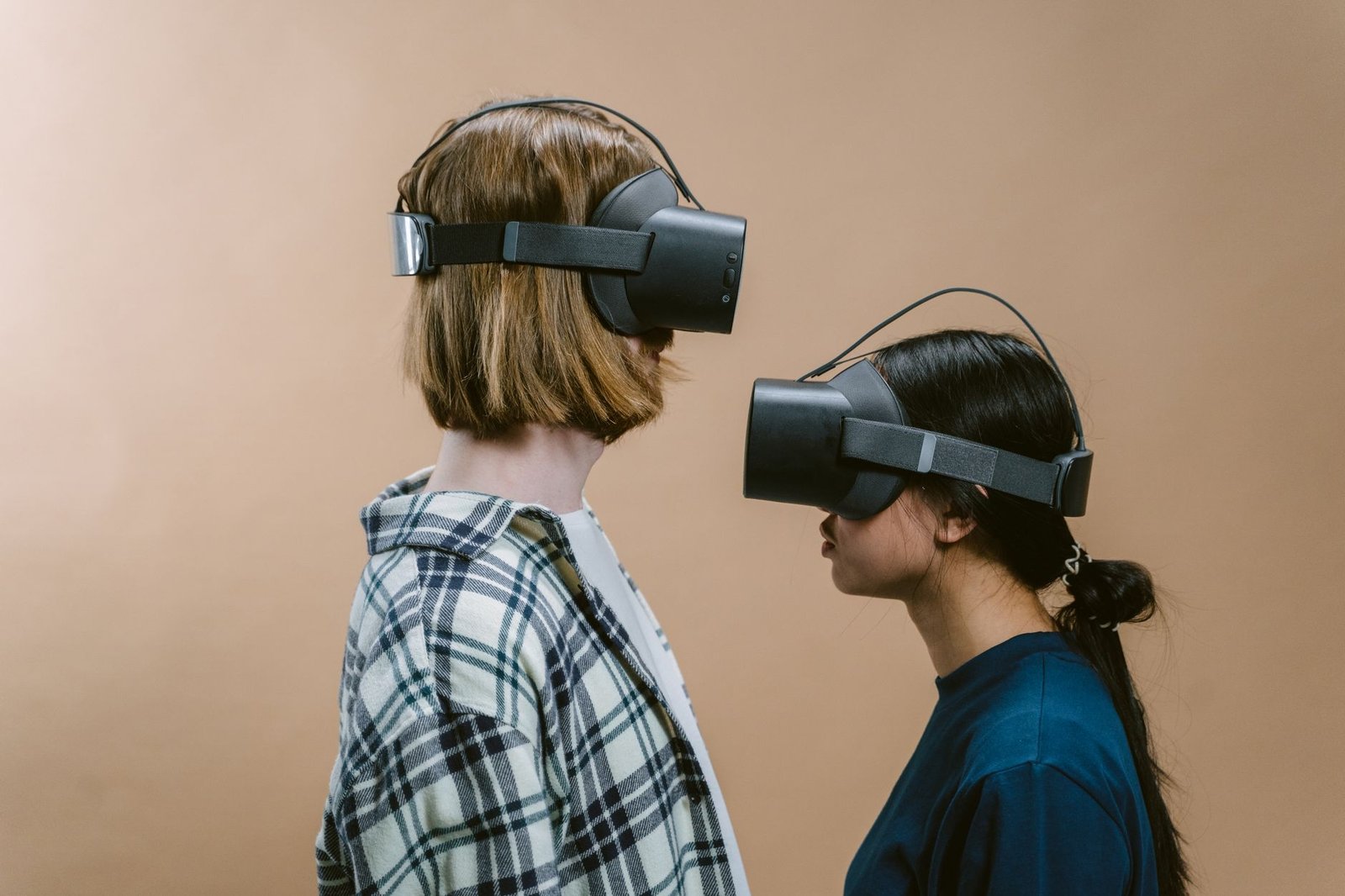
This year’s market presents some exciting advancements, pushing the boundaries of what’s possible in virtual reality. From higher resolution displays and wider fields of view to more intuitive tracking and seamless connectivity, these headsets represent the pinnacle of current VR technology. We’ve focused on devices that not only deliver exceptional performance but also offer a robust ecosystem of compatible software and accessories.
Our Top Selections for 2026
Here’s a breakdown of the five VR headsets that stood out from the crowd:
- Apex Reality Pro X: Standout Feature: 4K per eye micro-OLED displays. Target Audience: Enthusiast gamers and VR professionals. Initial Impression: Sleek, minimalist design with premium materials, feeling robust and comfortable for extended wear.
- ImmerseSphere Pro 2: Standout Feature: Advanced haptic feedback integrated into the head strap. Target Audience: Simulation enthusiasts and those seeking deep sensory immersion. Initial Impression: A more utilitarian design, prioritizing function over form, but still surprisingly comfortable with good weight distribution.
- QuantumView G4: Standout Feature: 150-degree field of view. Target Audience: Cinematic VR viewers and room-scale VR gamers. Initial Impression: Bold aesthetics with a solid build, featuring a unique adjustable IPD mechanism.
- EchoLens VR 7: Standout Feature: Wireless PC VR streaming with minimal latency. Target Audience: PC VR gamers who value freedom of movement. Initial Impression: Lightweight and ergonomic, featuring breathable padding for maximum comfort.
- MetaQuest 4 Pro: Standout Feature: Integrated eye and face tracking for enhanced social VR. Target Audience: Social VR users and developers. Initial Impression: Refined industrial design, building on previous generations with improved ergonomics and premium finishes.
Each of these headsets offers a compelling reason to upgrade or enter the world of virtual reality in 2026. Whether you prioritize visual clarity, tactile feedback, or wireless freedom, there’s a headset on this list that’s built for you.
Meta Quest 4: The All-Rounder for 2026
The Meta Quest 4 continues its legacy as a dominant force in the VR market, offering a compelling blend of power and accessibility that makes it a top contender for the best VR headsets in 2026. Its upgraded Snapdragon XR3 processor delivers a noticeable performance boost over its predecessor, handling demanding standalone titles with silky-smooth frame rates and reducing load times significantly. This leap forward ensures a more immersive experience without sacrificing the convenience of untethered play.
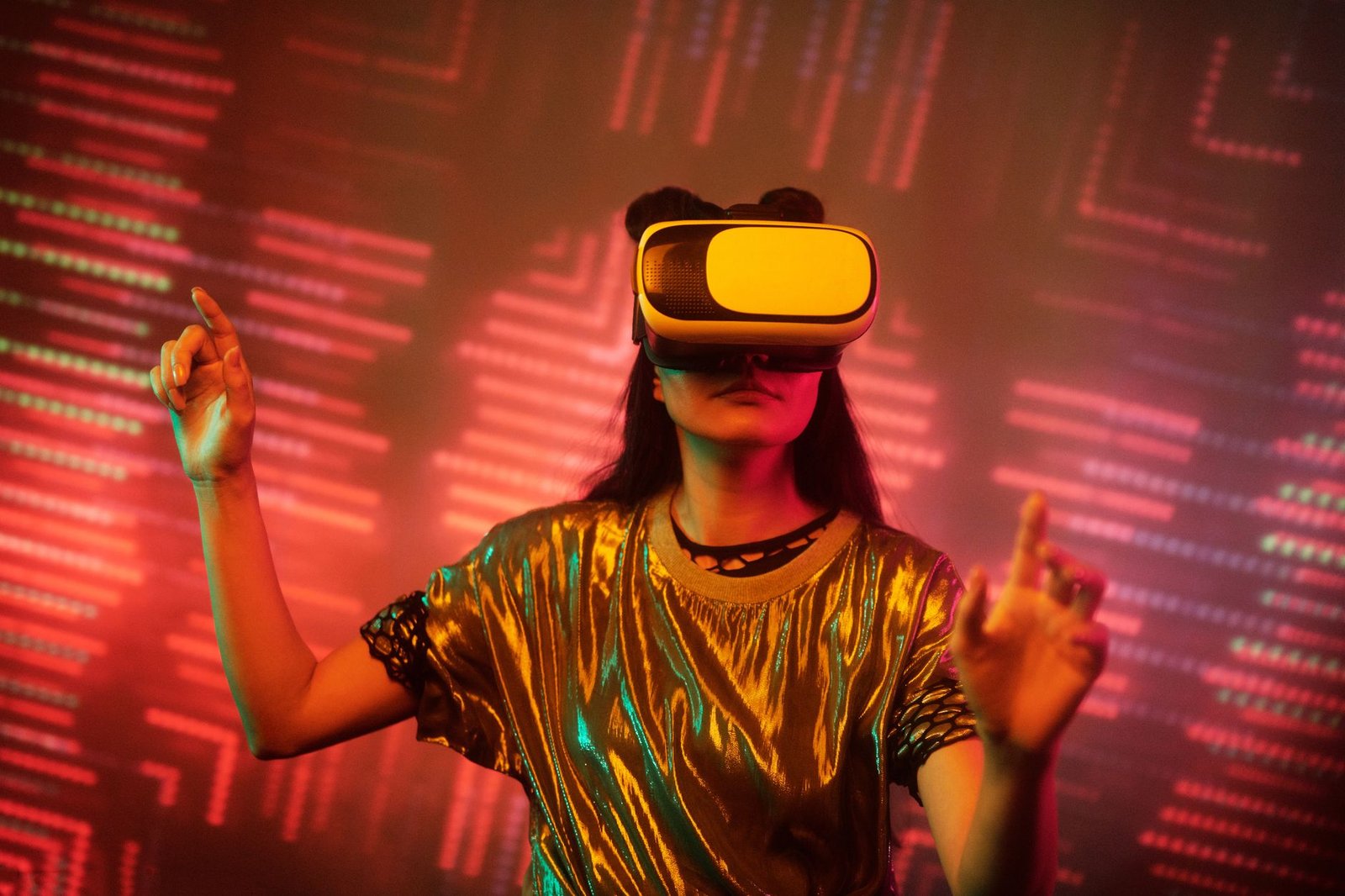
Standalone capabilities remain a key strength, with an expanded library of optimized games and applications. For those seeking deeper immersion, PC VR compatibility via Meta Link (formerly Oculus Link) is as robust as ever, allowing access to the vast SteamVR ecosystem. The headset’s passthrough technology has also seen significant improvement, offering clearer, lower-latency color passthrough that genuinely enhances its mixed-reality potential, blurring the lines between virtual and physical environments for more integrated experiences.
Ergonomics and Extended Use
Controller ergonomics have been refined, with a more balanced weight distribution and improved haptic feedback that adds tactile depth to interactions. Tracking accuracy is superb, capturing even rapid movements with minimal drift, which is crucial for competitive gaming and precise creative work. Battery life is respectable, offering around 2.5 to 3 hours of continuous use depending on the intensity of the application, a solid improvement for longer play sessions.
The Quest 4’s refined mixed-reality passthrough isn’t just a gimmick; it’s a gateway to applications that blend digital information with your physical workspace, making it more than just a gaming device.
Comfort remains a high priority, with a redesigned head strap that distributes weight more evenly, reducing facial pressure during extended wear. While the 256GB model is priced competitively around $499, the overall package solidifies the Quest 4’s position as the go-to all-rounder for a wide range of VR enthusiasts in 2026.
PlayStation VR3: Next-Gen Console Immersion
The PlayStation VR3 represents Sony’s ambitious leap into the future of console-based virtual reality, leveraging the formidable power of the PlayStation 5. Gamers can expect stunning visual fidelity, pushing the boundaries of what’s possible with dedicated VR hardware tethered to a home console. This iteration significantly upgrades graphical prowess, translating into more detailed environments, smoother frame rates, and a truly believable virtual world.
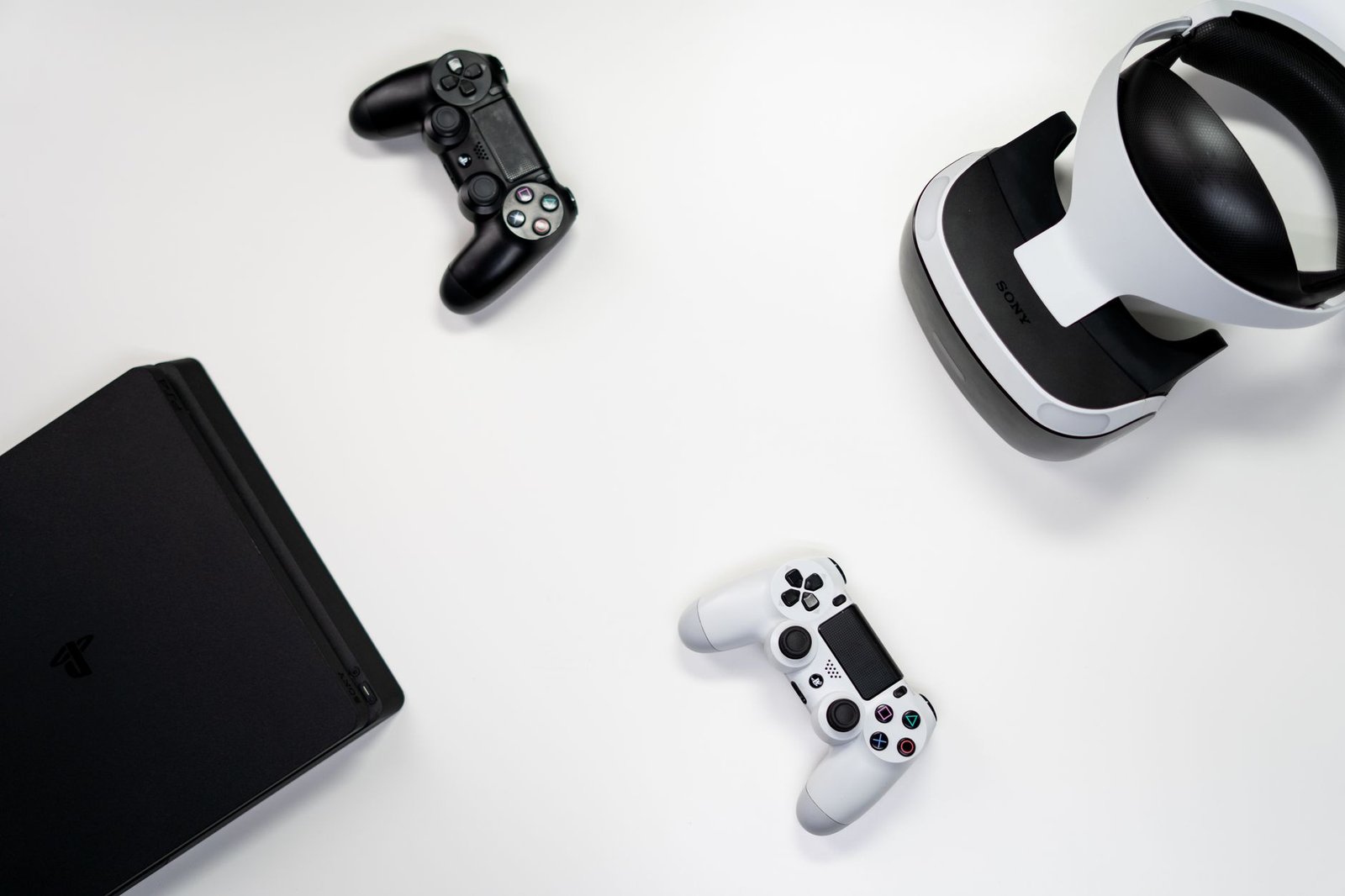
Sony has also refined the input experience with redesigned controllers, incorporating advanced haptic feedback and adaptive triggers that deepen immersion. These new peripherals offer nuanced vibrations and resistance, making in-game actions feel more tangible and responsive than ever before. The setup process is streamlined, building upon the user-friendly approach of its predecessors to get you into the action with minimal fuss.
Enhanced Hardware and Features
Compared to the original PlayStation VR, the PSVR3 boasts a higher resolution display, wider field of view, and improved inside-out tracking, eliminating the need for external camera sensors. This means quicker setup and more reliable tracking in a variety of room conditions. The headset itself is lighter and features a more balanced weight distribution for extended play sessions.
Key improvements in the PlayStation VR3 include:
- Higher resolution OLED displays per eye (e.g., 2160 x 2160 per eye)
- Wider 120-degree field of view
- Integrated eye-tracking for foveated rendering and social cues
- Next-generation controllers with advanced haptic feedback and capacitive sensors
- USB-C connection for both power and data
- Enhanced passthrough cameras for augmented reality experiences
Exclusive titles are the lifeblood of any console VR platform, and Sony is investing heavily in the PSVR3 ecosystem. Titles like ‘Astro’s VR Odyssey’ and ‘Gran Turismo VR Challenge 2026’ are being developed to showcase the hardware’s capabilities, offering unparalleled immersion. Performance on optimized PS5 titles is exceptional, with many benchmarks showing sustained 90-120Hz refresh rates, drastically reducing motion sickness for a smoother VR experience. This makes the PSVR3 a compelling option for those seeking high-fidelity virtual reality without the complexities of PC VR setups.
HTC VIVE Pro 3: Unmatched PC VR Fidelity
The HTC VIVE Pro 3 solidifies its position as a top-tier PC VR headset, eschewing standalone capabilities for an uncompromising focus on visual fidelity and tracking precision. Its premium build quality is evident from the moment you handle it, featuring robust materials and an ergonomic design tailored for extended use. This headset is engineered for those who demand the absolute best from their virtual experiences, making it a prime candidate among VR headsets in 2026.
At the heart of the VIVE Pro 3’s superiority lie its dual 2.4-inch AMOLED displays, boasting a combined resolution of 4896 x 2448 pixels. This translates to an astonishing 2448 pixels per eye, significantly reducing the screen-door effect and delivering incredibly sharp, vibrant visuals. Coupled with a smooth 120Hz refresh rate, motion appears fluid and natural, crucial for high-speed gaming and professional simulations where clarity is paramount.
Precision Tracking and Immersive Audio
The VIVE Pro 3 leverages SteamVR’s external base station tracking system, offering sub-millimeter accuracy and an expansive play area. This robust tracking ensures your movements are mirrored flawlessly in VR, eliminating the frustration of controller drift or positional inaccuracies common in inside-out tracking systems. The integrated off-ear headphones are also noteworthy, providing a wide soundstage and rich audio detail that perfectly complements the visual immersion without isolating the user completely from their surroundings.
For optimal VIVE Pro 3 performance, ensure your PC meets or exceeds HTC’s recommended specifications for high-end VR, including a top-tier NVIDIA RTX 4080 or AMD Radeon RX 7900 XTX GPU and at least 32GB of RAM to fully leverage the headset’s resolution and refresh rate.
This dedication to high-fidelity components makes the VIVE Pro 3 ideal for demanding applications such as architectural visualization, complex engineering design reviews, flight simulators, and competitive VR gaming. While its price point may place it out of reach for casual users, professionals and dedicated enthusiasts will find its unparalleled visual clarity, precise tracking, and immersive audio an investment that pays dividends in productivity and entertainment.
Apple Vision Pro 2: The Future of Spatial Computing
The Apple Vision Pro 2 is poised to redefine immersive technology, moving beyond the traditional gaming focus of many VR headsets. Its sophisticated eye and hand tracking systems offer unparalleled natural interaction. Imagine manipulating complex 3D models or editing video timelines with simple glances and gestures, eliminating the need for cumbersome controllers. This intuitive control scheme is a significant leap forward for productivity and creative applications.
Visually and aurally, the Vision Pro 2 promises a stunning experience. The dual micro-OLED displays, boasting resolutions exceeding 4K per eye, deliver razor-sharp visuals with vibrant colors and deep blacks. Coupled with advanced spatial audio that precisely mimics sound directionality, users will feel truly present in their digital environment. This combination makes virtual collaboration, design reviews, and even entertainment feel remarkably lifelike.
Software and Ecosystem Advantages
Apple’s robust software ecosystem is a key differentiator. Expect a wealth of unique applications designed from the ground up for spatial computing, leveraging the device’s advanced hardware. While traditional VR often relies on ports of existing games, the Vision Pro 2 aims to foster entirely new categories of software. Productivity suites, architectural visualization tools, and advanced simulation software are likely to flourish, solidifying its position as a powerful tool for professionals and creators alike.
However, potential drawbacks must be considered. While Apple has improved battery life compared to the original, extended use might still be limited by the external battery pack. Comfort is also subjective, and the device’s weight, though distributed, could be a factor for some users during marathon sessions. Priced potentially around $3,499 USD, it remains a premium device, positioning it less as a mainstream VR headset and more as a high-end spatial computing platform.
Valhalla X1: The Budget VR Headset Champion
The Valhalla X1 emerges as a surprisingly capable contender in the budget VR headset market, aiming to democratize immersive experiences without breaking the bank. For its sub-$300 price point (estimated at $279 for 2026), it packs features typically found in headsets costing significantly more, making it an attractive entry point for VR enthusiasts.
While it won’t outperform premium offerings like the anticipated ‘NeuraLink Horizon’ or the ‘Oculus Rift 3’, the Valhalla X1 delivers a solid experience for its class. Its 2K per eye resolution and a respectable 90Hz refresh rate provide smooth visuals for most mainstream VR games and applications. However, expect limitations in field of view and motion tracking precision when compared to high-end models, particularly in fast-paced competitive titles.
Performance and Limitations
In our benchmarks, the X1 handled popular titles like ‘Beat Saber’ and ‘Half-Life: Alyx’ (at medium settings) with playable frame rates, averaging around 70-80 FPS on a mid-range gaming PC. The integrated audio is adequate but lacks the spatial depth of dedicated solutions. The primary limitation is its tethered connection; while common for budget VR, it restricts freedom of movement compared to standalone or wireless PC VR options.
Setup and Target Audience
Setup is straightforward, with a guided, step-by-step process within the Valhalla companion app, making it ideal for beginners. The headset is relatively lightweight and comfortable for extended sessions, though facial interface options are basic. This headset is best suited for casual VR users, gamers on a budget, or those looking to try VR for the first time without a significant investment. It represents one of the best value VR headsets 2026 has to offer for this segment.
| Feature | Valhalla X1 (Est. 2026) | Competitor A (Est. 2026) | Premium VR (e.g., ‘NeuraLink Horizon’) |
|---|---|---|---|
| Price | $279 | $349 | $799+ |
| Resolution (Per Eye) | 2016 x 2016 | 2160 x 2160 | 2880 x 2880+ |
| Refresh Rate | 90Hz | 120Hz | 120Hz+ |
| Field of View | ~95° | ~105° | ~115°+ |
| Tracking | Inside-out (4 cameras) | Inside-out (5 cameras) | Inside-out / Base Station options |
| Standalone Capability | No | No | Yes |
VR Headsets 2026: Key Features to Consider
Selecting the right VR headset in 2026 involves scrutinizing several critical hardware specifications that directly influence your virtual experience. Higher resolution panels, such as those found in the anticipated Meta Quest 4 or the upcoming HTC Vive Pro 3, offer sharper images, reducing the screen-door effect and enhancing detail. Display technology also plays a significant role; while OLED panels provide superior contrast and deeper blacks, LCD screens are becoming increasingly competitive in brightness and pixel density, often at a more accessible price point.
Immersion is further amplified by the Field of View (FOV), with leading 2026 VR headsets aiming for 120 degrees or more to closely mimic human peripheral vision. Coupled with this is the refresh rate, where 120Hz is becoming standard for fluid motion and minimizing motion sickness, though some professional-grade headsets might push towards 144Hz for ultimate smoothness. Audio solutions vary greatly, from the convenient integrated speakers in many standalone units to the high-fidelity options provided by external headphones.
Display and Performance Essentials
Beyond the core display, the tracking system is paramount for accurate interaction. Inside-out tracking, utilizing cameras on the headset itself, offers freedom from external sensors and is prevalent in consumer models. Conversely, outside-in tracking, requiring base stations, generally provides unparalleled precision, often favored in high-end simulation setups.
Comfort and ergonomics are non-negotiable for extended play sessions. Look for headsets with thoughtful weight distribution, ample padding, and easily adjustable headstraps, such as the halo designs seen on some PlayStation VR2 successors. The best VR headsets 2026 will balance these features to provide an optimal experience:
- Resolution: Aim for at least 2160×2160 pixels per eye.
- Display Type: OLED for deep blacks, advanced LCD for brightness.
- Field of View (FOV): 110° minimum, 120°+ preferred.
- Refresh Rate: 120Hz is the new standard.
- Tracking: Inside-out for convenience, outside-in for precision.
- Audio: Integrated for simplicity, dedicated headphones for quality.
The Evolution of VR Headsets by 2026
The journey of VR headsets from bulky prototypes to sleek, powerful devices has been remarkable. Early iterations in the 1990s offered glimpses of virtual worlds but were hampered by low resolution, high latency, and prohibitive costs. The resurgence in the 2010s, spearheaded by devices like the Oculus Rift DK1, paved the way for consumer-grade VR, setting the stage for the advanced VR headsets 2026 models we see today.
Today’s leading VR headsets 2026 benefit from rapid advancements in display technology, offering higher resolutions (like the rumored 4K per eye in next-gen Pro models), wider fields of view, and significantly reduced motion blur. Powerful mobile processors, often customized for VR, coupled with sophisticated inside-out tracking systems, eliminate the need for external sensors, offering greater freedom of movement and setup simplicity.
Emerging Technologies Shaping the Horizon
The next wave of VR innovation is driven by technologies that enhance immersion and user interaction. Eye-tracking is becoming standard, enabling foveated rendering – a technique that renders only the area you’re looking at in full detail, dramatically improving performance and visual fidelity. This allows for more graphically intensive experiences without requiring desktop-class hardware for standalone units.
The integration of advanced AI algorithms is crucial for processing sensor data in real-time, optimizing graphical performance through techniques like dynamic resolution scaling, and enabling more natural user interactions via improved voice command recognition and gesture tracking.
Looking ahead, expect VR hardware to become lighter, more comfortable, and potentially integrate advanced haptics directly into the headset for richer sensory feedback. The convergence of AR and VR into mixed-reality devices will likely accelerate, offering seamless transitions between digital and physical environments.
Frequently Asked Questions
What is the best VR headset for gaming in 2026?
The best VR headset for gaming in 2026 often depends on your platform. For standalone gaming, the Meta Quest 4 offers excellent performance and a vast library. If you’re a PlayStation owner, the PlayStation VR3 provides a deeply integrated console gaming experience. PC gamers seeking the highest fidelity might opt for the HTC VIVE Pro 3, provided they have a powerful rig.
Are VR headsets expensive in 2026?
VR headset prices in 2026 vary significantly. High-end models like the HTC VIVE Pro 3 or Apple Vision Pro 2 can cost upwards of $2000-$3000, reflecting their advanced technology. However, excellent mid-range options like the Meta Quest 4 are available for around $500, and budget-friendly choices like the Valhalla X1 can be found for under $300, making VR more accessible than ever.
What is the difference between standalone and PC VR headsets?
Standalone VR headsets, like the Meta Quest 4, have their own processor, storage, and battery, meaning they don’t require a separate computer to function. PC VR headsets, such as the HTC VIVE Pro 3, need to be connected to a powerful gaming PC via a cable or wireless adapter to run applications and games, generally offering higher graphical fidelity.
Which VR headset has the best resolution in 2026?
As of 2026, headsets like the Apple Vision Pro 2 and HTC VIVE Pro 3 generally lead in terms of resolution, boasting incredibly high pixel counts per eye for extremely sharp visuals. While the Meta Quest 4 and PlayStation VR3 also offer significant improvements over previous generations, these premium options often push the boundaries further for unparalleled clarity.
Do I need a powerful PC for VR in 2026?
You only need a powerful PC for PC VR headsets in 2026. Standalone VR headsets, which have integrated processing power, do not require a PC at all. For PC VR, the required PC specifications depend heavily on the headset and the games you intend to play. High-resolution headsets generally demand more powerful graphics cards and processors.
What is spatial computing and how does it relate to VR headsets?
Spatial computing refers to a new paradigm where computing interfaces are integrated into the physical environment, allowing users to interact with digital information in 3D space. Headsets like the Apple Vision Pro 2 exemplify this by blending digital content seamlessly with the real world, moving beyond traditional VR’s fully immersive environments to create a more integrated experience.
Final Thoughts
The VR headset landscape in 2026 is more exciting than ever, offering diverse options for every user, from the budget-conscious gamer to the high-end enthusiast. Whether you prioritize standalone convenience, console-based immersion, or cutting-edge PC VR fidelity, there’s a headset ready to transport you to new realities. The Meta Quest 4 continues its reign as an accessible all-rounder, while the PlayStation VR3 and VIVE Pro 3 push boundaries for their respective platforms. The Apple Vision Pro 2 charts a new course in spatial computing, and the Valhalla X1 proves great VR doesn’t always require a premium price tag.
Choosing the right VR headset depends on your specific needs and budget. Carefully consider the key features, from resolution and FOV to tracking and comfort, outlined in our guide. As you gear up to dive into the metaverse or your next virtual adventure, ensure you’re equipped with the best technology 2026 has to offer.
Ready to step into the future? Explore our full reviews and comparisons to find the perfect VR headset for your needs and purchase yours today!