
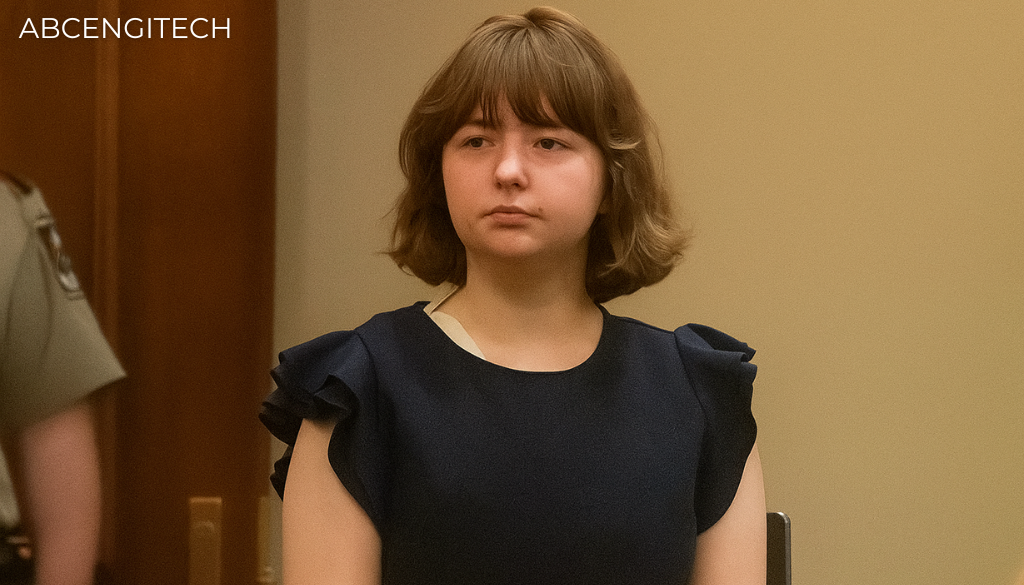
One of the most alarming adolescent crime cases in modern U.S. history is associated with the name Carly Gregg. Serious questions concerning mental health, juvenile justice, parenting, and the thin line separating juvenile responsibility from criminal culpability were raised when a 14-year-old Mississippi girl was charged with shooting and killing her mother and attempting to kill her stepfather.
This article explores the full history of the case—from the crime itself, to the trial in Rankin County, Mississippi, to the life sentence that was imposed, and the broader implications for young offenders and the legal system. By the end, you’ll have a comprehensive picture of what transpired, why it matters, and the lessons that can be learned.
The Case’s Details
Who is Carly Gregg?

Ashley Smylie, Carly Madison Gregg’s mother, was a teacher at Northwest Rankin High School in Brandon, Mississippi, where she was a ninth-grader when she was born in April 2009. She allegedly took a .357 Magnum handgun from her parents’ house on March 19, 2024, and killed her mother with it.
She allegedly boasted about the body when she had a friend over after this startling encounter. Later, when her stepfather, Heath Smylie, returned home, she allegedly attempted to ambush and shoot him as well.
The Investigation and Crime Scene
Prosecutors presented security camera footage from the home showing Carly Gregg walking calmly with her hands behind her back just before three gunshots were heard.
Prosecutors claimed that the mother’s discovery of her daughter’s covert existence involving marijuana usage, burner phones, and vaping equipment was the driving force. Carly Gregg allegedly tried to entice her stepfather back after the incident by texting him, “When will you be home, honey?” using her mother’s phone.
When Heath Smylie arrived, he was shot in the shoulder during a struggle, and Carly Gregg fled the scene but was apprehended shortly afterward. She was accused of first-degree murder as an adult, attempted murder, and tampering with evidence.
The Mississippi Rankin County Trial
Key Trial Occurrences
The trial was held in Mississippi’s Rankin County. The prosecution stressed throughout opening statements that the crime was planned rather than spontaneous.
Days of testimony from friends, the stepfather, and forensic psychiatrists were presented during the trial, along with evidence including surveillance footage and 911 calls.
Mental Health Claims and Defense Tactics
Carly Gregg’s defense admitted the act but argued that she was experiencing a mental health crisis. They cited a history of depression, self-harm, auditory hallucinations, and medication changes.
State experts countered these claims, asserting that Gregg understood the nature and wrongfulness of her actions, meaning she did not meet Mississippi’s legal definition of insanity.
Sentencing and Verdict
The jury found Gregg guilty of murder, attempted murder, and tampering with evidence after just two hours of deliberation. On September 20, 2024, she was convicted of murder and attempted murder and sentenced to life in prison without the possibility of parole, with an additional 10 years for evidence tampering.
Understanding the Life Sentence for Juvenile Offenders
Why Would a Minor Receive Life Without Parole?
Sentencing a juvenile to life without parole raises complex ethical and legal questions. Adolescents generally have less developed impulse control and decision-making skills than adults. In Gregg’s case, the jury and judge determined the crime was highly premeditated, warranting the harshest penalty.
The Legal Environment in Mississippi
Adolescents charged with heinous offences like first-degree murder may face adult trials in Mississippi and many other U.S. states. Carly Gregg might be subject to the same legal proceedings and punishments as an adult defendant as a result of this clause.
According to reports, Gregg turned down a 40-year plea agreement in favour of pursuing an insanity defence, which gave her case a nuanced psychological component and had a big impact on how the trial turned out.
Consequences and Appeals
Gregg’s defense has already appealed to the Mississippi Supreme Court, citing trial errors and ineffective representation. If successful, the verdict or sentence could be revisited. This case highlights broader debates over whether juvenile life sentences align with modern understandings of adolescent brain development.
Lessons & Broader Themes
Adolescent Risk, Mental Health, and Early Warning Signs
A key takeaway is the role of mental health. The defense highlighted previous diagnoses and therapy involvement, while prosecutors emphasized planning, concealment, and premeditation.
The juxtaposition indicates a possible failure in early intervention, including missed red flags like mood swings, drug use, and secretive behavior online or with devices.
Parenting, Authority, and Hidden Behaviors
The crime may have been triggered when Ashley Smylie discovered her daughter’s secret life. Testimony indicated that after searching her room and finding vaping devices, a confrontation occurred.
This case underscores how access to firearms and breakdowns in household supervision can escalate into tragedy.
Juvenile Justice Reform and Community Safety
The case calls into question how society handles significant crimes committed by minors. Even while public safety comes first, young people are more likely to change and get back on their feet.
What message is conveyed by a life sentence? Can the requirement for accountability coexist with restorative justice or mitigated sentencing?
Media Attention and Sensationalism
The trial attracted national and international coverage. Moments like the 911 call, surveillance footage, and statements such as “Have you ever seen a dead body?” went viral. Carly Gregg
It’s important to remember the human cost: a devastated family, a traumatized community, and a teenager facing life imprisonment.
How to Discuss This Case Responsibly
For Educators, Parents, and Youth Workers
- Watch for mood swings, substance use, and secretive behaviors.
- Encourage nonjudgmental conversations about mental health and peer pressure.
- Secure firearms and practice safe storage.
- Recognize that adolescent crises can escalate quickly—early intervention matters.
For Legislators and Legal Experts
- Take rehabilitation and brain growth into account when reevaluating whether juvenile life sentences are acceptable.
- Make sure services and representation for minors are age-appropriate.
- Strike a balance between rehabilitation programs and neighbourhood safety.
For Media and Public Discussion
- Avoid sensationalism; focus on the human and systemic aspects of the case.
- Cover underlying issues like family dynamics, mental health, and juvenile justice.
- Respect victims and families with factual and compassionate reporting.
Misconceptions and Pitfalls
“This is just another teenage rebellion gone wrong”
Not true. Evidence showed planning, ambush-style behavior, and concealment.
“She must have been mentally ill, so the sentence is unfair”
Courts rejected the insanity defense, determining that Gregg understood her actions.
“Juvenile life sentences are always wrong”
While controversial, serious crimes often result in adult charges and sentences. The case does invite discussion on policy reform.
Brief Synopsis
In conclusion, 14-year-old Carly Gregg tried to kill her stepfather in Brandon, Mississippi, and used a handgun to kill her mother. She received a life sentence plus ten years after being found guilty.
The case emphasizes the significance of early intervention and systematic evaluation while highlighting issues with media coverage, family relationships, juvenile justice, mental health, and risky behaviours among adolescents.
Conclusion
The story of Carly Gregg is both heartbreaking and instructive. It confronts us with uncomfortable realities: juvenile potential for premeditated violence, limitations in juvenile justice and mental health systems, household firearm access, and the challenge of balancing punishment with rehabilitation.
A thorough analysis provides society a chance to reflect, learn, and prevent future tragedies.
While learning about criminal cases like the story of Carly Gregg, it’s interesting to also explore how public figures shape culture and influence youth. For example, Travis Scott has become one of the most impactful artists in modern music, known for his unique sound and massive fanbase. If you’re interested in celebrity influence and cultural impact, you can also read our Travis Scott biography to understand his rise to fame and personal journey.
FAQs
Q1. Who is Carly Gregg?
A1. Carly Madison Carly Gregg is a teenager from Brandon, Mississippi, who was accused in March 2024 of trying to kill her stepfather, Heath Smylie, and killing her mother, Ashley Smylie. She was found guilty after an adult trial.
Q2. What happened in the murder of Ashley Smylie?
A2. Gregg allegedly used a .357 Magnum handgun to shoot her mother three times, then texted a friend to come over and see the body. She later lured her stepfather home and shot him in the shoulder. She was arrested shortly after.
Q3. What accusations were made against Carly Gregg, and what was the outcome?
A3. She was accused of tampering with evidence, first-degree murder, and attempted murder. In September 2024, a Rankin County jury convicted her guilty on all counts.
Q4. What was the sentence she was given?
A4. Carly Gregg was given a ten-year sentence for tampering with evidence and a life sentence without the prospect of release for the murder and attempted murder.
Q5. What are the ramifications of her being prosecuted as an adult?
A5. For significant offences, children in Mississippi may face adult trials. This made it possible for Carly Gregg to be punished at the adult level, underscoring the conflict between accountability and the science of teenage development.
Q6. Is the appeal still pending?
A6. Indeed. Citing issues with representation and trial flaws, her lawyers filed an appeal. Her categorization or punishment may be impacted by the outcome.
Q7. What can politicians, educators, and families learn?
A7. Important lessons learned include keeping an eye out for early warning indicators in teenagers, storing firearms safely, evaluating juvenile justice regulations, and making sure that the media covers issues responsibly and nuancedly.