
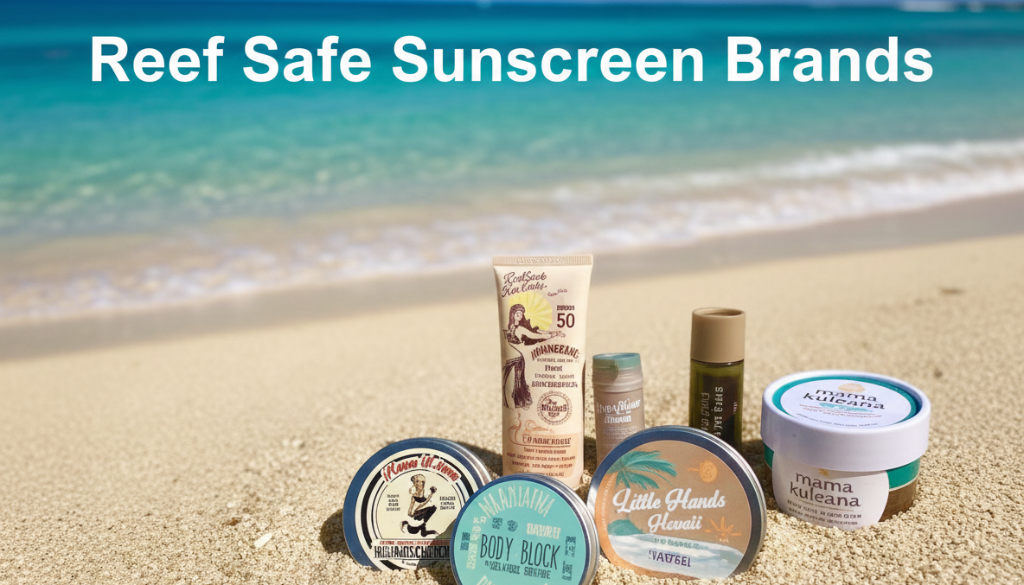
Choosing the right sunscreen isn’t just about SPF protection anymore, it’s also about protecting the planet. As awareness grows around coral bleaching and ocean pollution, more travelers, beach lovers, and skincare-conscious individuals are searching for reef safe sunscreen brands that truly safeguard both skin and marine life. If you’ve ever wondered whether your sunscreen harms coral reefs or how to find products that comply with Hawaii’s reef-safe regulations, this guide breaks it all down with clarity and expertise. In the next sections, you’ll learn what “reef safe” really means, how to verify ingredients, the best reef safe sunscreen options available today, and practical tips to choose the right one for daily use or tropical travel.
What Makes a Sunscreen Reef Safe? (Clear Explanation Without the Hype)
The term reef safe has become a marketing buzzword, but not all products claiming to be safe for coral reefs are actually non-harmful. To understand reef safe sunscreen brands, it’s important to know which ingredients are harmful and which are considered ocean-friendly.
Ingredients to Avoid
Scientific studies and marine regulations highlight a few chemicals associated with coral bleaching, DNA damage in marine organisms, and disruption of reef ecosystems. Key ingredients to avoid include:
- Oxybenzone
- Octinoxate
- Octocrylene
- Homosalate
- Avobenzone (in some formulations)
- Parabens
- Triclosan
- Nanoparticles that may accumulate in reef environments
Ingredients That Are Considered Reef Safe
Reef safe sunscreen brands typically use non-nano mineral filters, meaning the particles are large enough not to be absorbed by marine life:
- Zinc Oxide (non-nano)
- Titanium Dioxide (non-nano)
The physical barrier that these minerals form on the skin reflects UV rays instead of chemically absorbing them.
Hawaii’s Reef-Safe Regulations
Hawaii has passed policies restricting sunscreens with oxybenzone and octinoxate, prompting many travelers to search specifically for reef safe sunscreen Hawaii compliant products. Understanding these rules helps consumers avoid accidental violations and protects sensitive coastal ecosystems.
Why Reef Safe Sunscreen Matters: Skin Health + Ocean Health
Although sunscreen’s main function is to shield your skin from UV damage, the secondary purpose of protecting the ocean is becoming equally important.Approximately 25% of all marine species are supported by coral reefs that act as natural wave barriers, and contribute billions of dollars to global tourism and fisheries.
Impact on the Environment
- Coral Bleaching: Harsh chemical sunscreens can exacerbate bleaching, especially in warm, shallow waters.
- Marine DNA Damage: Certain chemicals impact coral larvae development and reproduction.
- Bioaccumulation: Small marine creatures absorb nanoparticles, which then travel up the food chain.
Impact on Your Skin
Reef safe sunscreens are often gentler and preferred by people with sensitive skin. Mineral formulations create fewer allergic reactions and work immediately upon application.
Top Reef Safe Sunscreen Brands (Expertly Curated List)
Below is a comprehensive ranking of reef safe sunscreen brands based on safety, performance, user reviews, texture, and ingredient transparency. Each section includes an overview, pros/cons, real-world use cases, and practical tips.
1. Blue Lizard Australian Sunscreen
A long-trusted name in mineral sun protection, Blue Lizard maintains a strong reputation among dermatologists. It’s widely loved for being effective, durable, and budget-friendly.
Why It Stands Out
- Non-nano zinc oxide and titanium dioxide
- Water resistant (80 minutes)
- Smart bottle that changes color in UV light
Pros
- Affordable compared to boutique mineral brands
- Gentle enough for children and sensitive skin
- Sweat and heat resistant
Cons
- Slightly thicker texture
- May leave a light white cast on deeper skin tones
Best For: Outdoor sports, long beach days, families with kids.
2. Badger Sunscreen
Badger remains one of the most transparent and trustworthy reef safe sunscreen brands. With organic botanicals and biodegradable formulas, it appeals to eco-conscious buyers.
Why It Stands Out
- 100% mineral active ingredients
- Certified organic formulations
- Biodegradable packaging
Pros
- Very clean ingredient profile
- Safe for babies and pregnancy
- Excellent for hiking and sweating
Cons
- Thick formula that requires blending
- Strong natural scent in some varieties
Best For: Sensitive skin, eco-focused buyers, hikers, Hawaii trips.
3. ThinkSport / ThinkBaby Sunscreen
ThinkSport is a frequent winner in clean sunscreen categories and meets strict ingredient standards.
Why It Stands Out
- High SPF (up to 50+)
- Non-nano zinc oxide
- Great for active lifestyles and sports
Pros
- Easy to apply
- Non-greasy compared to typical mineral sunscreens
- Excellent UVA/UVB protection
Cons
- Can feel heavy on oily skin types
- Not fragrance-free
Best For: Athletes, swimmers, adults with active routines.
4. Raw Elements
A Hawaii-approved brand, Raw Elements is popular among surfers and ocean enthusiasts.
Why It Stands Out
- Non-nano zinc only
- Tinted and non-tinted versions
- Biodegradable and plastic-free packaging options
Pros
- Extremely water resistant
- Made for extreme sun exposure
- Safe for coral reefs and marine species
Cons
- Thicker paste consistency
- Premium pricing
Best For: Surfing, snorkeling, marine activities, Hawaii travel.
5. All Good Sunscreen
All Good offers a great balance between texture, performance, and eco-friendly formulation.
Why It Stands Out
- Clean ingredients
- Aloe and plant oils for hydration
- Spray and lotion options
Pros
- Lighter texture than many mineral sunscreens
- Daily-use friendly
- Family-safe and gentle
Cons
- Sprays may clog slightly
- Less water resistant than sport formulas
Best For: Daily facial use, casual beach visits, families.
6. Babo Botanicals
A dermatologist-approved option for babies and sensitive individuals.
Why It Stands Out
- Ultra-gentle, hypoallergenic
- Non-nano zinc oxide
- Free from essential oils
Pros
- Very smooth texture
- Effective for eczema-prone skin
- Organic botanicals
Cons
- Slightly higher price
- Limited water resistance
Best For: Babies, toddlers, sensitive-skin adults.
7. Kokua Sun Care (Hawaii Brand)
This brand was created in Hawaii with local reef conservation in mind.
Why It Stands Out
- Hawaii-compliant formula
- Local botanical ingredients
- Excellent for swimmers and snorkelers
Pros
- Very long-lasting
- No white cast in tinted versions
- Anti-oxidant rich
Cons
- Thick texture
- Harder to find outside Hawaii
Best For: Hawaii vacations, scuba diving, reef excursions.
8. Stream2Sea Sunscreen
This brand invests heavily in research and biodegradability testing.
Why It Stands Out
- Eco-lab tested for water safety
- Reef-friendly packaging
- Ideal for sports and harsh environments
Pros
- Scientifically backed formulas
- Little to no white cast
- Very durable against sweat
Cons
- Stronger scent than neutral products
- Not ideal for hyper-sensitive skin
Best For: Outdoor adventurers, eco-science enthusiasts.
How to Choose the Best Reef Safe Sunscreen (Step-by-Step Guide)
With so many reef safe sunscreen brands available, the selection process can feel overwhelming. Use this clear, practical guide:
Step 1: Verify Active Ingredients
Choose only non-nano zinc oxide or titanium dioxide.
Step 2: Avoid False Labels
Some brands say “reef friendly” but still contain harmful chemicals. Read the ingredient list carefully.
Step 3: Check Local Laws
If traveling to Hawaii, Palau, Aruba, USVI, or Key West, ensure your sunscreen is legally compliant.
Step 4: Consider Your Skin Type
- Oily skin → lightweight or tinted minerals
- Dry skin → formulas with plant oils or aloe
- Sensitive skin → unscented, hypoallergenic products
Step 5: Look for Water Resistance
For swimming and sports, choose at least 80 minutes of water resistance.
Step 6: Test a Small Area First
Mineral sunscreens vary in texture. Patch testing prevents irritation.
Mini Case Note: A Traveler’s Experience Switching to Reef Safe SPF
A snorkeler visiting Maui in 2024 switched from conventional SPF 70 chemical sunscreen to Raw Elements SPF 30. She reported fewer skin reactions, better wear in the water, and noticeably clearer ocean water at beaches where reef safe sunscreen hawaii rules were enforced. Her main takeaway: reef safe products don’t have to compromise on performance and last longer in water-based activities.
Pros and Cons of Mineral Reef Safe Sunscreens
Pros
- Safe for ecosystems
- Gentler for sensitive skin
- Immediate UV protection
- Lower risk of hormone disruption
- Long-lasting wear
Cons
- Potential white cast
- Thicker texture than chemical SPFs
- Higher cost for premium brands
- Some formulas require blending
Understanding these trade-offs helps buyers make informed decisions without unrealistic expectations.
Common Mistakes People Make When Choosing Reef Safe Sunscreens
- Believing marketing labels without reading ingredients.
- Choosing to spray sunscreens near sand or wind, which reduces coverage.
- Using too little product most people apply only 25-40% of the recommended amount.
- Skipping reapplication every 2 hours.
- Assuming all mineral sunscreens are reef safe (many use nano-particles).
Avoiding these mistakes leads to better protection and ethical choices.
How to Apply Reef Safe Sunscreen Correctly (Expert Tips)
- Apply ½ teaspoon for the face and about 1 ounce (a shot glass) for the body.
- Rub between palms first, then press onto skin.
- Reapply after swimming, sweating, or towel drying.
- Use tinted minerals on the face to avoid white cast.
Correct application increases effectiveness by up to 40%.
Conclusion: Choosing Responsible, Effective Reef Safe Sunscreen Brands
Finding the right reef safe sunscreen brands doesn’t need to be complicated. By choosing mineral SPF with non-nano ingredients, avoiding harmful chemicals, and selecting brands that value sustainability, you protect your skin and make a meaningful contribution to ocean health. From Hawaii-approved formulas to everyday mineral sunscreens, the options today are more effective and skin-friendly than ever. Whether you’re heading to tropical waters, planning a family beach day, or looking for a safe daily sunscreen, the brands in this guide offer reliable, eco-conscious protection.
FAQs
1. What are the best reef safe sunscreen brands?
Some of the best include Blue Lizard, Raw Elements, Badger, ThinkSport, All Good, Kokua Sun Care, and Stream2Sea.
2. What ingredients make sunscreen reef safe?
Titanium dioxide and non-nano zinc oxide are regarded as reef safe, as long as the formula excludes oxybenzone, octinoxate, octocrylene, and parabens.
3. Are mineral sunscreens better for reefs?
Yes. Mineral sunscreens are generally safer for reefs because they don’t contain harmful chemical UV filters linked to coral bleaching.
4. Is reef safe sunscreen mandatory in Hawaii?
Yes, Hawaii bans sunscreens with oxybenzone and octinoxate, making reef safe sunscreen Hawaii-compliant products essential for travelers.
5. Does reef safe sunscreen prevent white cast?
Some tinted and lightweight mineral formulas reduce white cast significantly, especially those using micronized (but non-nano) zinc.
6. Are all “reef friendly” labels trustworthy?
No. Many use the term loosely. Always check the ingredient list to verify safety.
7. Can reef safe sunscreen protect as well as chemical sunscreen?
Yes. Many mineral sunscreens offer broad-spectrum SPF 30-50 and high water resistance, matching or exceeding chemical formulas in performance.


